
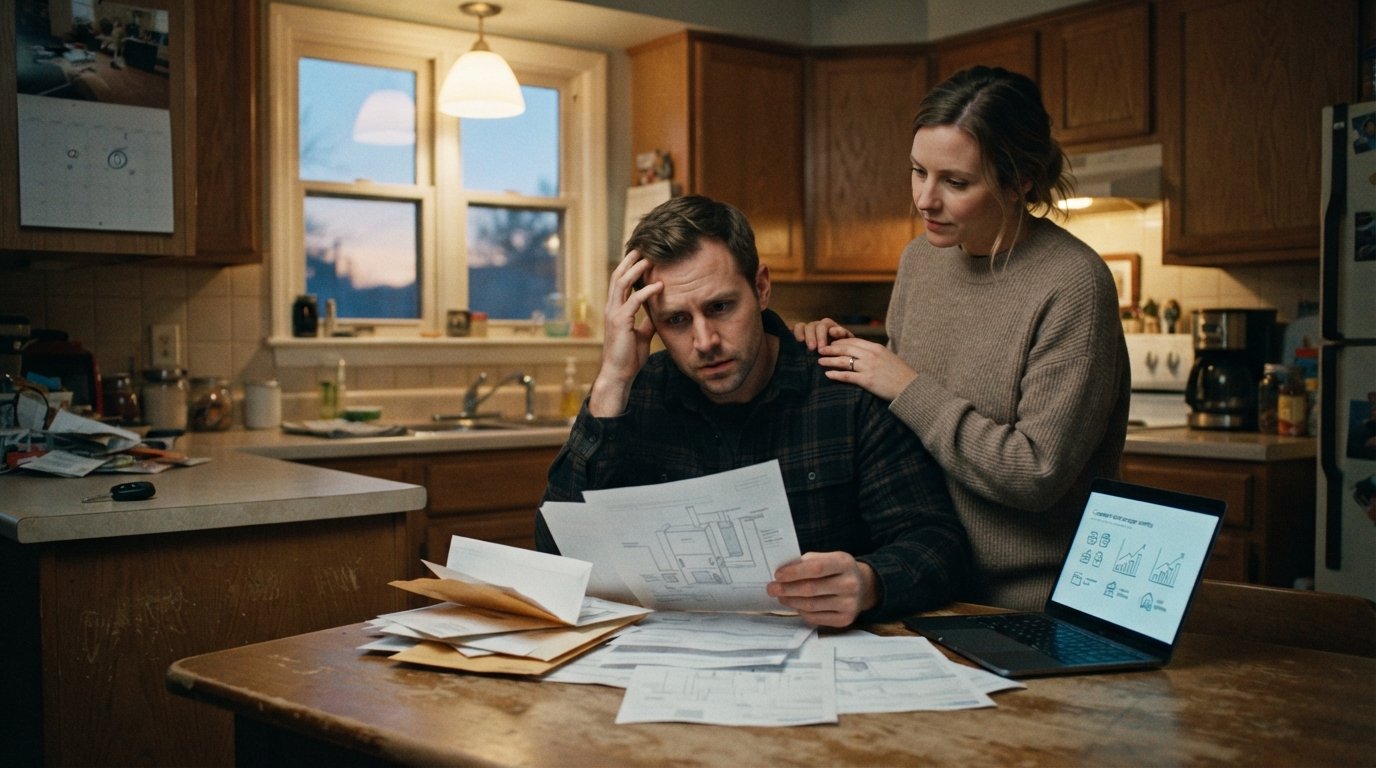
Emergency Cash Loans for Families on One Paycheck
Emergency cash loans for families on one paycheck can cover urgent bills. Learn how to qualify, compare offers, and avoid costly traps.

By Miles Kensington
When your household depends on a single paycheck, an unexpected expense can feel like a financial earthquake. A broken furnace in January, a sudden medical bill, or a car repair that cannot wait can derail your entire monthly budget. You are not alone in this situation, and there are practical steps you can take to bridge the gap without falling into a cycle of debt. This article explains how emergency cash loans for families with limited income on one paycheck work, what to watch for, and how to use them responsibly.
Why One Paycheck Families Face Unique Cash Flow Challenges
Families living on a single income often have less flexibility to absorb surprises. There is no second paycheck to cushion the blow, and savings may be thin after covering essentials like housing, groceries, and utilities. According to recent surveys, a large percentage of American households could not cover a $400 emergency without borrowing or selling something. For single-income families, that number is even higher, which makes access to quick funding not just convenient, but sometimes critical.
When an urgent need arises, you might feel tempted to use a credit card or borrow from relatives. Those options are not always available or wise. Credit cards can carry high interest rates, and personal loans from banks often require a credit check and days of waiting. This is where short-term lending options, such as those offered through a comparison service, can fill a genuine need. The key is to understand the costs and choose a loan that fits your repayment ability.
What Are Emergency Cash Loans and How Do They Work?
Emergency cash loans are typically small-dollar, short-term loans designed to cover unexpected expenses before your next paycheck arrives. They come in several forms, including payday loans, installment loans, and some personal loans. The application process is usually online, and funds can be deposited into your checking account as soon as the next business day. This speed is a major advantage when a utility shutoff notice is sitting on your kitchen counter.
Unlike traditional bank loans that may require a pristine credit score, many emergency lenders focus on your income and ability to repay. This makes them accessible to borrowers with less-than-perfect credit, including those who have faced bankruptcy or repossession. However, that accessibility comes with trade-offs. Interest rates and fees are often higher than traditional loans, which is why careful comparison is essential.
Before you apply, gather your recent pay stubs, bank account information, and a valid ID. Most online lenders require proof of steady income, even if it comes from government benefits, disability, or a pension. You will also need an active checking account for the funds to be deposited and for automatic repayment on the due date.
Types of Emergency Loans to Consider
Not all emergency loans are created equal. Understanding the differences can save you money and stress.
- Payday loans: These are very short-term loans, usually due on your next payday. Amounts are typically between $100 and $1,000. They are fast but often come with the highest annual percentage rates (APRs).
- Installment loans: These allow you to borrow a larger amount, often up to $5,000 or more, and repay it in fixed monthly installments over several months. This can be easier to manage within a single-paycheck budget.
- Personal loans: Some online lenders offer personal loans with longer terms and lower rates, but they may require a better credit score. If your credit is poor, you might still qualify through a connection service that works with multiple lenders.
When you use a service like FreeQuotes.Loans, you submit one request and receive offers from multiple third-party lenders. This lets you compare APRs, fees, and repayment terms without visiting dozens of websites. It is a practical way to find the most affordable option for your situation.
How to Qualify for Emergency Cash Loans with Limited Income
Qualifying for a loan when your income is modest is possible, but you need to meet a few basic requirements. Lenders want to see that you have a reliable source of income, even if it is not from a traditional job. Self-employment, disability payments, Social Security, child support, or a pension can all count as qualifying income. You must also be at least 18 years old and have an active bank account.
Your credit score is not the only factor. Many lenders use alternative data to assess your ability to repay, such as your bank account history and income stability. This is good news for families who have made financial mistakes in the past. However, it is important to be honest on your application. Lenders will verify your information, and any discrepancies can delay funding or lead to denial.
To improve your chances, consider these steps:
- Calculate exactly how much you need, not a penny more. Borrowing extra will only increase fees and interest.
- Review your monthly budget to determine a realistic repayment amount. If you cannot afford the payment on your single paycheck, look for a longer-term installment loan.
- Prepare your documents in advance, including pay stubs, bank statements, and identification.
- Submit one request through a comparison service to see multiple offers without multiple hard credit checks.
By following these steps, you can avoid the common mistake of borrowing more than you can handle. Remember, the goal is to solve an emergency, not to create a new one.
Comparing Lenders and Avoiding Predatory Traps
Not every lender has your best interest in mind. Some may charge hidden fees, require balloon payments, or use aggressive collection tactics. To protect your family, you must compare offers carefully. Look at the annual percentage rate (APR), which includes interest and fees, and compare it across lenders. Also, check if the lender is licensed in your state and if they report payments to credit bureaus, which can help you build credit over time.
One of the most effective ways to avoid predatory lending is to use a LendersCashLoan connection service, which partners with a network of vetted third-party lenders. This service is not a direct lender, but it can save you time and reduce the risk of dealing with unscrupulous operators. You submit a single form, and the network matches you with lenders who are willing to work with your credit profile. This process is free, and you are under no obligation to accept any offer.
When you receive offers, read the fine print. Ask these questions:
- What is the total cost of the loan, including all fees?
- What is the repayment schedule, and is it aligned with my paycheck?
- Are there any prepayment penalties if I pay off the loan early?
- What happens if I miss a payment? Are there late fees or a grace period?
Taking the time to compare can save you hundreds of dollars in interest and fees. It also gives you peace of mind, knowing that you have chosen the most responsible option for your family.
Alternatives to Emergency Cash Loans
Before you commit to any loan, consider whether other resources might help. Local charities, religious organizations, and community action agencies sometimes offer emergency assistance for rent, utilities, or food. You might also qualify for a payment plan with your utility company or medical provider. These options are often interest-free and can reduce the amount you need to borrow.
If you have a credit card, a cash advance might be tempting, but those often carry high fees and interest rates that start accruing immediately. Similarly, borrowing from your 401(k) or retirement account can have long-term consequences, including taxes and penalties. Exhaust these alternatives before turning to a loan, but do not delay if the emergency cannot wait.
For families with truly limited income, a small emergency loan from a reputable lender is sometimes the only viable option. In that case, using a comparison service like FreeQuotes.Loans can help you find the most affordable terms. Their educational resources and emergency cash loans guide provide further insights on fast funding for unexpected bills.
Responsible Borrowing on a Single Paycheck
Borrowing money always involves risk, but you can manage it with a clear plan. First, only borrow what you need and what you can repay. Second, schedule your loan payment right after your paycheck arrives, so you are less likely to spend the money elsewhere. Third, if you encounter a problem, contact your lender immediately. Many are willing to work out a modified payment plan, but only if you communicate before the due date.
Another critical step is to start building a small emergency fund, even if it is only $25 per paycheck. Over time, this fund can reduce your reliance on loans for minor setbacks. You can also explore side gigs or selling unused items to create a buffer. These actions may not solve an immediate crisis, but they can prevent the next one from becoming an emergency.
Finally, understand that short-term loans are not a long-term financial solution. If you find yourself repeatedly needing emergency cash, it may be time to revisit your budget, seek credit counseling, or explore government assistance programs. The goal is to achieve stability, not to become dependent on high-cost credit.
In summary, emergency cash loans for families with limited income on one paycheck can be a lifeline when used wisely. By comparing offers, understanding the terms, and borrowing only what you can repay, you can navigate a financial crisis without derailing your family's future. Start by evaluating your options, and choose a path that supports both your immediate needs and your long-term wellbeing.